
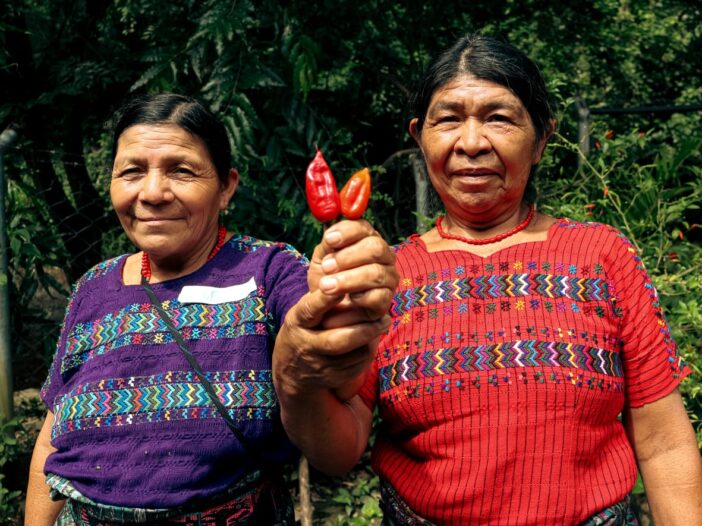
Durante una semana, representantes de comunidades de Guatemala y Honduras se congregaron en las oficinas de la Asociación de Comités Ecológicos del Sur de Honduras (ACESH) con la intención de compartir saberes sobre almacenamiento de granos, conservación de semillas y estrategias para la soberanía alimentaria. Agricultores, coordinadores comunitarios y técnicos de Qachuu Aloom, Vecinos Honduras, Asociación de Agricultores las Ilusiones del Divisadero (AGRIDIVI) y ACESH intercambiaron … [Read more...] about Comunidades de Guatemala y Honduras fortalecen la soberanía alimentaria con reservas estratégicas de granos y bancos de semillas
Agroecology
Communities Strengthening Food Sovereignty in Central America with Seed Banks and Strategic Grain Reserves
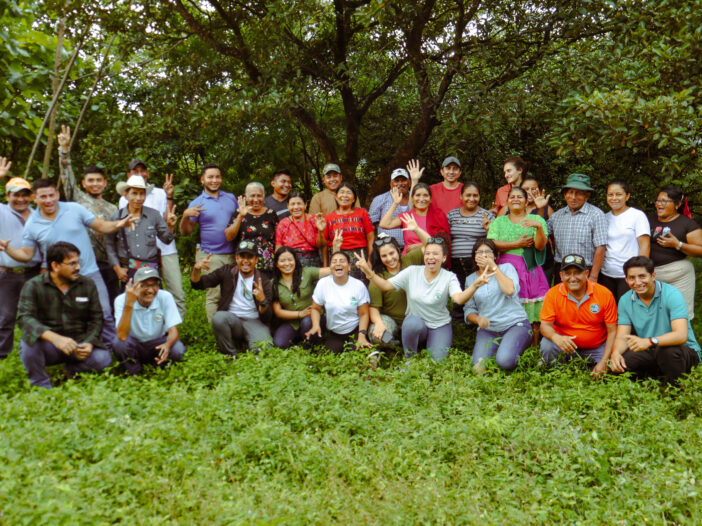
This article was originally published in Spanish. Read it here. For a week, representatives from communities in Guatemala and Honduras gathered at the Association of Ecological Committees of Southern Honduras (ACESH) offices to share knowledge on grain storage, seed conservation, and strategies for food sovereignty. Farmers, community coordinators, and technicians from our partners Qachuu Aloom, Vecinos Honduras, the Association of Farmers Las Ilusiones del Divisadero (AGRIDIVI), and ACESH … [Read more...] about Communities Strengthening Food Sovereignty in Central America with Seed Banks and Strategic Grain Reserves
This Women’s Group in Nepal is Restoring Soil Health with Biofertilizers
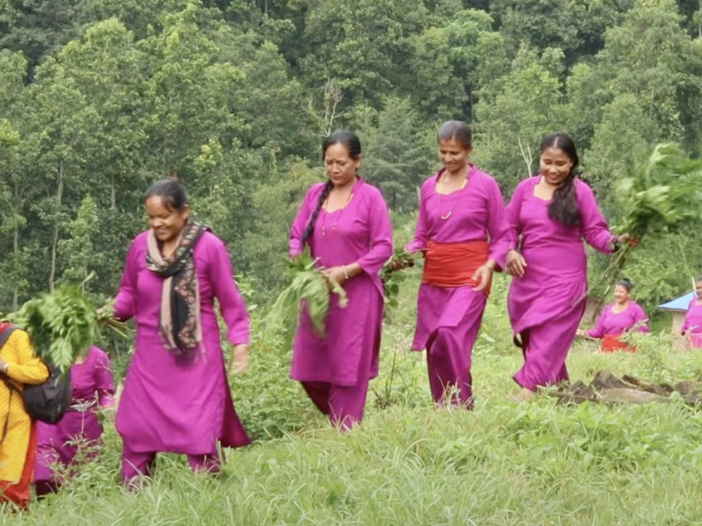
In a small farming village tucked in Nepal’s hilly countryside, women in pink and red saris crouch in tidy rows of plump tomatoes, their hands feeding the soil. Nearby, a group of women—the Jwaladevi Women Farmer Group—gather in a circle around a pile of green leaves to prepare biofertilizers. One of them chops aromatic herbs—nettle, neem, and bitter Artemisia—while another stirs them into a muddy mixture in a large plastic drum. Older women sit cross-legged, observing the process with keen … [Read more...] about This Women’s Group in Nepal is Restoring Soil Health with Biofertilizers
How Penda Turned a Dumping Ground into an Agroecological Urban Farm in Senegal
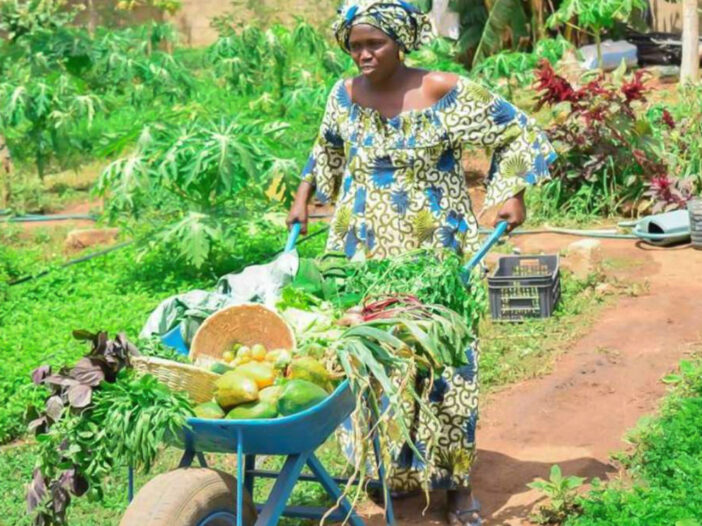
It's April. The temperature hovers at 104F (40°C). The ground feels hot beneath our feet, the wind is dry, and the air is heavy. Half-built buildings with brick and concrete walls line narrow sandy streets, where women stride with heads held high and shoulders back, balancing fruit baskets atop their heads. The sky isn't as gray as in downtown Thiès or Dakar, but pollution still lingers, with faint smells of burning waste. Baobab trees, their branches bare, and a few thorny bushes are the only … [Read more...] about How Penda Turned a Dumping Ground into an Agroecological Urban Farm in Senegal
Indigenous Farming Systems in Ecuador: Lessons for Adapting to Climate Change
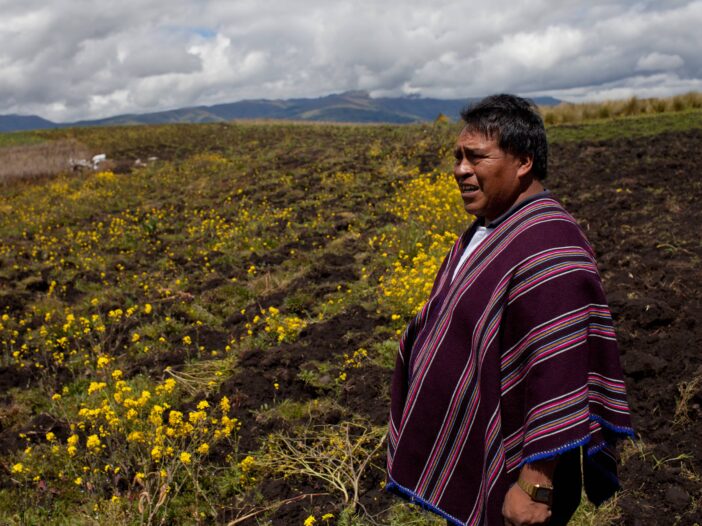
In this blog post: "In each household in our community, we have the native seeds that we have saved from our ancestors," says Elena Tenelema as she walks across her farm. "Caring for our Pachamama (Mother Earth) is the most important thing. If we contaminate it with chemicals, it will be the end of our land, and we won't have it in the future." Elena is from the Kichwa community of Tzimbuto, in the Central Andean highlands of Ecuador. A leader in managing community seed banks and … [Read more...] about Indigenous Farming Systems in Ecuador: Lessons for Adapting to Climate Change
How Agroecological Farming Transformed Emmanuel’s Field in Burkina Faso
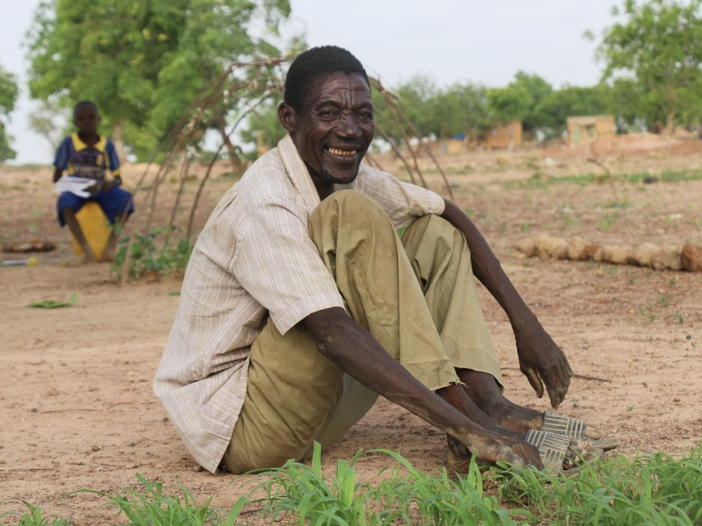
We recently met one exceptional farmer whose story speaks to the heart of our work: Wango Emmanuel, from Bonessin, Burkina Faso. After spending several years living and working in Côte d'Ivoire, Emmanuel returned to his native village amid a grave political crisis. His only means of feeding his family was a small plot of land he inherited from his father. But the soil had hardened like cement, rendered unproductive by decades of extractive farming practices common in the area. As … [Read more...] about How Agroecological Farming Transformed Emmanuel’s Field in Burkina Faso